
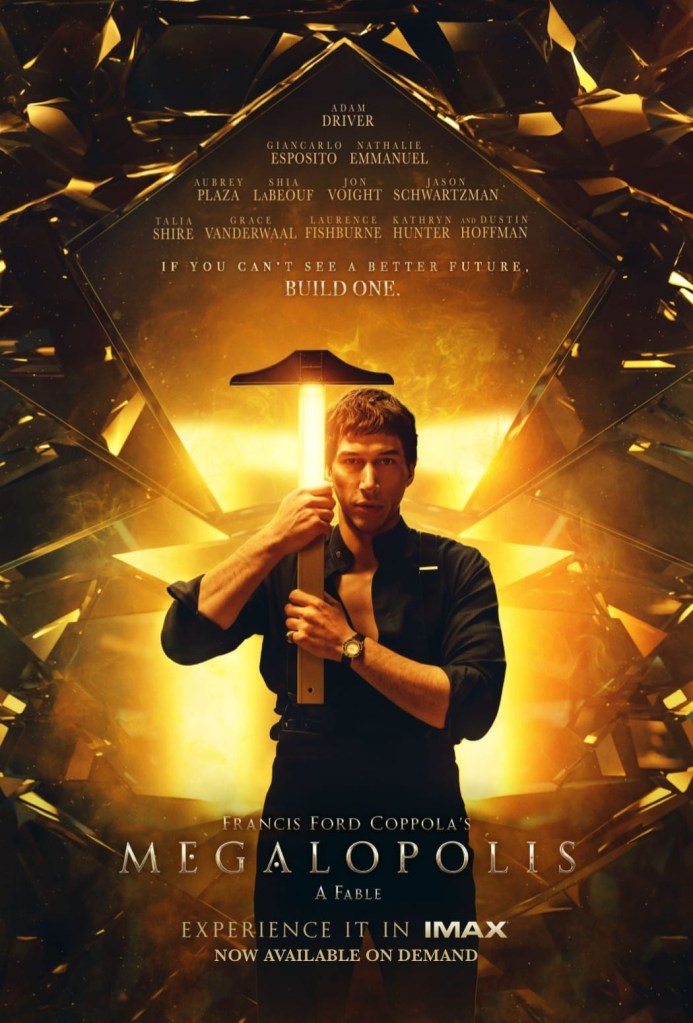
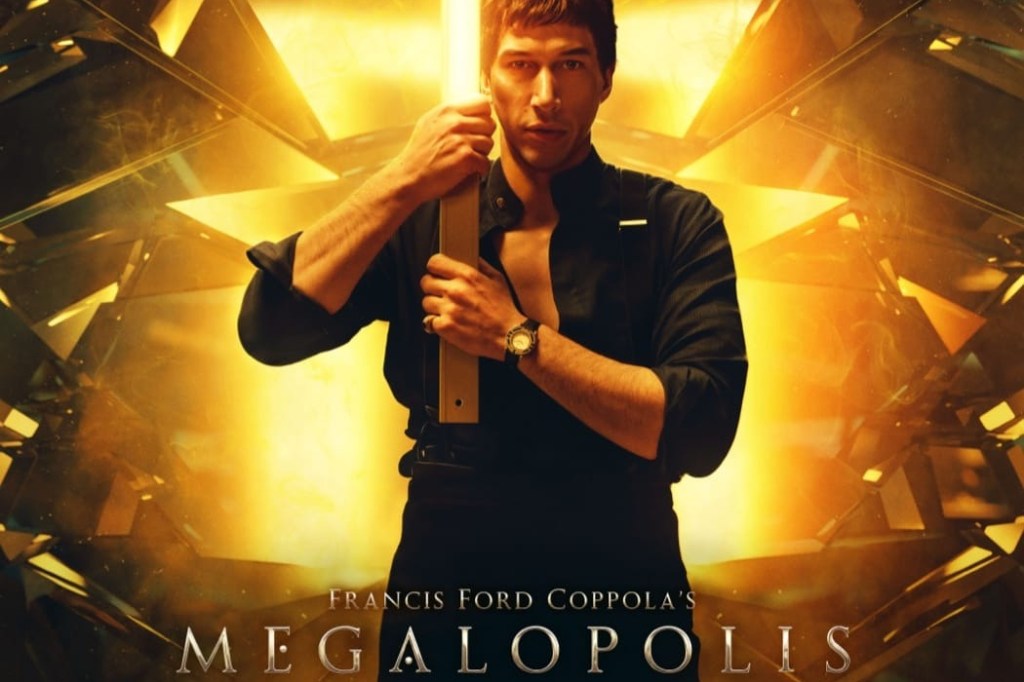
There is something that’s equal parts captivating and infuriating about the ambition displayed in “Megalopolis,” a film that dives deep into the intricacies of urban life and societal structures. Directed by Francis Ford Coppola (and independently financed by Coppola, to give himself total creative authority), this ambitious project explores the tensions between idealism and reality, all set against the bustling backdrop of a sprawling metropolis. As you settle in to watch this cinematic journey that at times enthralls and at other times bores, prepare to begin on a lengthy-feeling exploration of themes that are both timely and timeless.
“Megalopolis” uniquely blends elements of drama and science fiction, offering the viewer a thought-provoking experience that sparks conversations – for better or for worse – long after the credits roll. The film presents a vision of a future where humanity grapples with its own complexities, showcasing a divided city teeming with ambition yet marred by challenges. You’ll find that the layers of storytelling pull you into the heart of this metropolis, where characters from various walks of life intersect amidst the chaos of urban existence.
As with many “independent” style sci-fi films, the cinematography in “Megalopolis” is an impressive high point of the experience, employing vibrant visuals that mirror the energy of the city itself. You might notice how Coppola emphasizes the contrasts between the sleek, towering structures of wealth and the dilapidated areas that reveal the stark realities faced by the marginalized. This juxtaposition is not merely for aesthetics; it invites you to reflect on the socio-political landscapes that shape our lives today and in the future.
The performances in the film are, to be honest, a bit of a mixed bag. I imagine that, with subject matter this heady, some of the cast “got it” and others might have been pretending to “get it” to a degree. They are, however, a talented bunch: Adam Driver, Aubrey Plaza, Giancarlo Esposito, Jon Voight, and more. As you watch, you’ll feel a palpable tension between characters, each representing differing ideologies that influence the fate of their city. The dialogues, while sometimes overly wordy, are packed with philosophical musings, encouraging you to ponder the narrative’s implications beyond the silver screen. It’s a blend of intellect and emotion that, works to keep you engaged, and succeeds to varying degrees throughout, hopefully urging you to consider your own perspectives on society and progress.
“Megalopolis” has been a mixed bag with viewers so far, and rightfully so, as the film is definitely not without its flaws. Some viewers might find the pacing uneven, as the movie oscillates between grand ideas and more intimate storytelling moments. The scope of the narrative can feel overwhelming, and there may be times when you struggle to connect with certain plot points or characters. Yet, I found that it is in these moments where the film challenges you, forcing you to engage actively with the content rather than passively absorb it.
As a film that pushes the boundaries of conventional storytelling, “Megalopolis” invites a range of reactions. Whether you leave the theater feeling inspired, confused, or contemplative, one thing is certain: Coppola’s vision will stick with you, prompting reflection on the themes of community, power, and the human condition. In an era of rapid urbanization and social change, this movie serves as a mirror reflecting both the promises and pitfalls of modern life.
Ultimately, “Megalopolis” is a film that dares to ask the hard questions while offering a spectacle of visuals and dialog that is hard to forget. So as you navigate the intricate layers of this ambitious work, prepare to reflect on the world around you and your place within it.


 The Pop Review
Leave a comment